The entrepreneurship story everyone loves goes like this: you quit your job on Friday, launch your business on Monday, and never look back. It's dramatic, it's exciting, and it makes for a great origin story at networking events. It's also one of the riskiest financial decisions you can make — and for many business owners, it's completely unnecessary.
Some of the most financially successful business launches we see in our practice don't look dramatic at all. They look like someone spending six months building clients on evenings and weekends, testing their pricing with real customers, and making the full-time jump only after the numbers made the decision obvious. It's not as exciting as the leap-of-faith narrative, but it works — and "it works" matters a lot more than "it sounds brave" when your mortgage is due.
That said, there are businesses and situations where jumping all in is the right call. The key is knowing which path fits your specific situation and making the decision with data instead of adrenaline.
The Case for Starting on the Side
Starting your business while keeping your day job isn't a half measure. It's a strategy — and a smart one for a lot of people.
When you moonlight first, you get to test your concept with real customers before your livelihood depends on the outcome. You find out whether people will actually pay what you need to charge. You learn how long it takes to land clients. You discover what the real operating costs look like. And you do all of this with a steady paycheck covering your mortgage, your health insurance still coming through your employer, and your retirement match still showing up every two weeks.
That safety net isn't just emotional comfort — it's a financial advantage. You don't burn through your savings during the slow early months. You can reinvest early revenue back into the business instead of pulling it out to pay rent. And you're building something that matters enormously when you eventually make the full-time decision: a financial track record. Actual revenue numbers, real client relationships, and proven demand are worth more than any business plan projection.
The moonlighting approach works particularly well for consultants and freelancers who can take on clients outside standard business hours, online businesses and e-commerce operations that don't require a fixed schedule, service providers whose clients are flexible on timing, creative professionals building a portfolio and client base, and really anyone whose business model can start small and scale up gradually.
There's another advantage that doesn't get enough attention: emotional clarity. When you build on the side first, you learn whether you actually enjoy running this business — not just doing the work, but all the other parts we talked about in Posts 1 and 2. Some people discover in month three that the business reality doesn't match the business fantasy, and they're glad they found out while still employed rather than after draining their savings.
When Moonlighting Doesn't Work
Starting on the side isn't always realistic. Some businesses genuinely require a full-time commitment from day one, and trying to squeeze them into evenings and weekends does more harm than good.
If your industry demands availability during business hours — a retail location with regular hours, a restaurant, a medical or dental practice, a childcare facility — you can't build it from 8 PM to midnight. The business model simply doesn't work part-time.
If your employment agreement includes non-compete clauses, moonlighting restrictions, or intellectual property provisions, you need to understand those boundaries before you take your first side client. These aren't just formalities — violating a non-compete can result in lawsuits, and intellectual property clauses might mean your employer has a claim on work you create even on your own time. Have an attorney review your employment agreement before you start.
If the opportunity is genuinely time-sensitive — a perfect commercial space that won't wait, a contract that requires immediate full-time execution, a market window that's closing — waiting to build on the side may cost more than jumping. But be honest about whether the urgency is real or whether you're just excited. Most opportunities that feel urgent today will still be there in six months.
And some businesses simply need more hours and energy than the margins around a full-time job can provide. If you're already exhausted at the end of every work day and trying to build something meaningful from 8 PM to midnight, the quality of your work will suffer, your health will suffer, and neither your employer nor your new clients will get your best. That's not sustainable, and a mediocre side business can actually damage your reputation before you even launch properly.
The Financial Triggers: When to Make the Switch
If you start on the side, the hardest question isn't whether to go full-time eventually — it's knowing when. Here are the financial signals we tell our clients to watch for.
- Your side income consistently covers your core business expenses.
Not your full salary — just the cost of running the business itself. When the business sustains its own operations without you subsidizing it from your paycheck, that's a meaningful milestone. It means the business model works; it just needs more of your time to grow.
- You're turning down work because you don't have enough hours.
This is the strongest signal of all. When demand exceeds your available capacity and you're leaving money on the table because of your day job, the math starts shifting. The opportunity cost of staying employed — the revenue you're not earning — begins to outweigh the security your paycheck provides.
- You have enough saved to cover the transition gap.
Going full-time means a period of adjustment even with existing clients and revenue. You'll still need the runway we discussed in Part 2 — just potentially a shorter one because you're not starting from zero. Having that cushion means the transition is a calculated step, not a financial cliff.
- Your side income reaches 50 to 75 percent of your day job take-home pay.
This isn't a magic number, and every situation is different. But at this level, you're not making a blind leap — you're stepping across a gap where you can see the other side. The remaining income growth often comes faster once you can dedicate full-time hours to the business.
- You've been doing it long enough to see the patterns.
One great month isn't a trend. Six months of consistent side income tells you something real about demand, seasonality, and your capacity. You want enough data to make an informed decision, not an emotional one driven by one exciting quarter.
No single trigger should make the decision by itself. But when three or four of these are flashing green simultaneously, you're looking at a financially sound transition rather than a gamble.
The Tax Reality of Running a Side Business
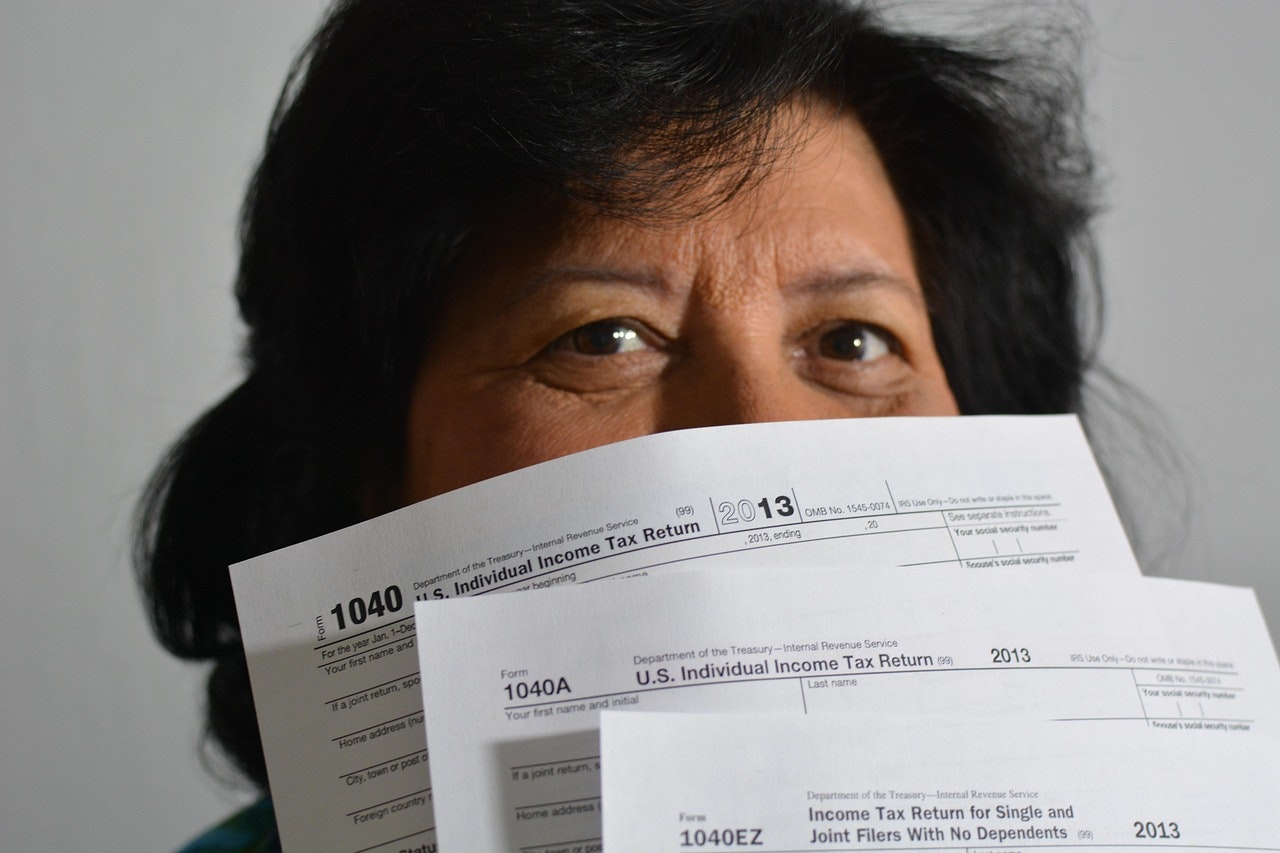
One important note from the CPA's chair: running a business on the side while employed doesn't simplify your tax situation. It complicates it.
You'll need to report your business income and expenses on Schedule C of your personal return. You'll owe self-employment tax — that's 15.3% on your business profits covering both the employee and employer portions of Social Security and Medicare — on top of your regular income taxes from your day job. And depending on how much your business earns, your W-2 withholding may no longer cover your total tax liability, which means you may need to start making quarterly estimated tax payments to avoid underpayment penalties.
None of this is a reason not to moonlight. But it is a reason to set up proper bookkeeping and talk to your CPA before your first invoice goes out — not at tax time when the surprises are expensive. We'll cover estimated tax payments and filing requirements in detail later in this series, but the time to get organized is day one, not April.
Making the Decision with Real Numbers
Whether you're leaning toward jumping all in or building on the side, run the numbers both ways. What does your financial picture look like if you quit next month? What does it look like if you spend six months building on the side first?
For many of the business owners we work with, the side-start approach shortens the scary part of the runway significantly. Instead of launching into full-time ownership with nothing but projections and hope, you launch with clients, revenue, and confidence. That's not a lesser version of entrepreneurship — that's the smart version.
And for those whose situations genuinely require a full-time commitment from day one, the financial planning from Part 2 becomes even more critical. Your runway needs to be longer, your savings deeper, and your realistic budget more conservative — because you're starting from zero revenue with no safety net.
Either way, the decision should be driven by math, not mythology. The brave choice isn't always the right one, and the careful choice isn't always the timid one.
But financial readiness is only part of the equation. In our next post, we'll tackle a question that's just as important and a lot harder to answer honestly: are you actually the right person to run a business? The skills that make you great at your craft aren't the same skills that make a business succeed — and knowing where the gaps are before you start is worth more than any amount of startup capital.
Let Desert Rose Help You Run the Numbers
At Desert Rose Tax & Accounting, we help aspiring business owners model both scenarios — full-time launch and phased transition. We'll calculate the true financial impact of each path, including the tax implications of side income, the cost of leaving employer benefits, and the specific revenue milestones that should trigger your transition. The best time to plan this is before you make the move, not after.
Visit www.desertrosetax.com
or call (520) 747-4964 to schedule a pre-launch consultation. Let's figure out the right path — and the right timing — for your situation.
Edward Ethington, CPA, CFP®, MBA
Desert Rose Tax & Accounting
Your Partner in Building a Business That Lasts
(520) 747-4964
www.desertrosetax.com
This blog is part of our "So You Want to Start a Business" series and provides general information for educational purposes only. It should not be construed as personal tax or business advice. Please consult with a qualified professional at Desert Rose Tax & Accounting for guidance specific to your situation.